


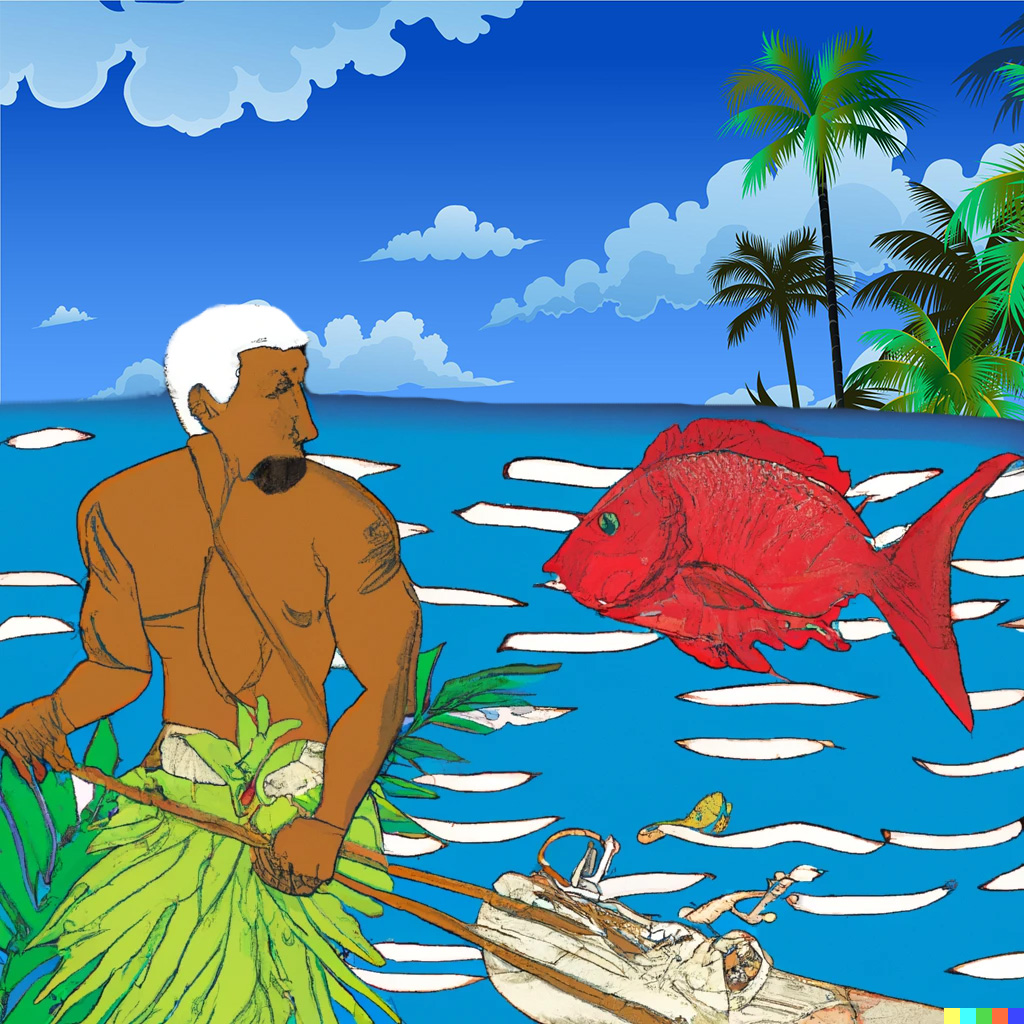

Most educated individuals are likely familiar with the legend of Tautunu, which has been the source of many well-known sayings and proverbs from ancient times. Various writers of legends have documented Tautunu’s story, and he has been compared to both human and spirit figures like Saumaniafaese, Nafanua, and Moso.
However, the people of his homeland believed Tautunu was entirely unique, with a distinct way of life. Tautunu lived in Falealupo, and some suggest that the names of neighbouring land areas may have been inspired by his actions.
Tautunu was renowned for his exceptional skills in catching bonito fish, and his fish-bait was always full. When he passed away, some speculate that he transformed into a rock at the mouth of the river at Vailoa, Palauli. Though some maintain that Tautunu was a resident of Falealupo, others claim that he travelled eastward.
Certain writers assert that Tautunu and his family resided in East Samoa, with no mention of Falealupo in their accounts. Despite the existence of various versions of this legend, landmarks in the area may assist in determining the truth. It is also possible that Tautunu’s actual name was Tautunu.
The Legend: To know When the fish-bait breaks [Se’i motu le pa a ua iloa]
The legend of Tautunu is compared to a river with numerous branches due to its grandeur. It commences with Aloalolela and his fish-bait called ‘Auomanu’ [Tide of Fortune] and ‘Auomala’ [Tide of Fate], which he received from “Night” and “Day”. This story involves three brothers and their sister who sailed to Wallis Island to collect the fish-bait for Aloalolela. Tragically, the brothers died at sea, and the surviving sister brought the fish-bait to Samoa.
Sina was the sister of the three brothers who perished at sea, and she arrived at the westernmost point of Falealupo. She met Afia and married him, and they became the parents of Tautunu. The chiefs and orators of Falealupo relayed this legend of Tautunu, which they learned from their research in the villages of Vailoa, Palauli, and Falealupo.
Afia lived in the forest of Falealupo, which is still known as the Forest of Afia. One day, while walking near the shore, he encountered Sina, who had just arrived on the shore after her voyage. Afia married Sina, and they lived a happy life together. Sina gave birth to a child, and they named him Tautunu. Afia had attempted to cover the fire with dried grass and leaves to keep Sina warm, which is how Tautunu got his name, which means “trying to burn or heat.” It is uncertain if Sina and Afia had any other children, but many believed that Tautunu was their only child.
When Tautunu became an adult, Sina gave him the fish-bait that she had brought from Wallis. This fish-bait was the same one that she and her brothers had stolen from Aloalolela. It was a shiny pearl with different colours and was given to Aloalolela by his sisters, Night [Po] and Day [Ao], who lived in Fiji.
This fish-bait was named “Tide of Fate” [Auomala], and soon the stories of Tautunu’s fish-bait spread throughout the land. Fishermen from various regions came to witness for themselves the grand fish-bait that was believed to overflow with bonito.
“To know when the fish-bait breaks”
Fatutuo, a fisherman from Aleipata, travelled to Falealupo to see the famous fish-bait. One day, Tautunu took Fatutoa fishing for bonito [atu], and they had a bountiful catch. Fatutoa then secretly took the fish-bait and pretended it had broken, causing Tautunu to be heartbroken and return home.
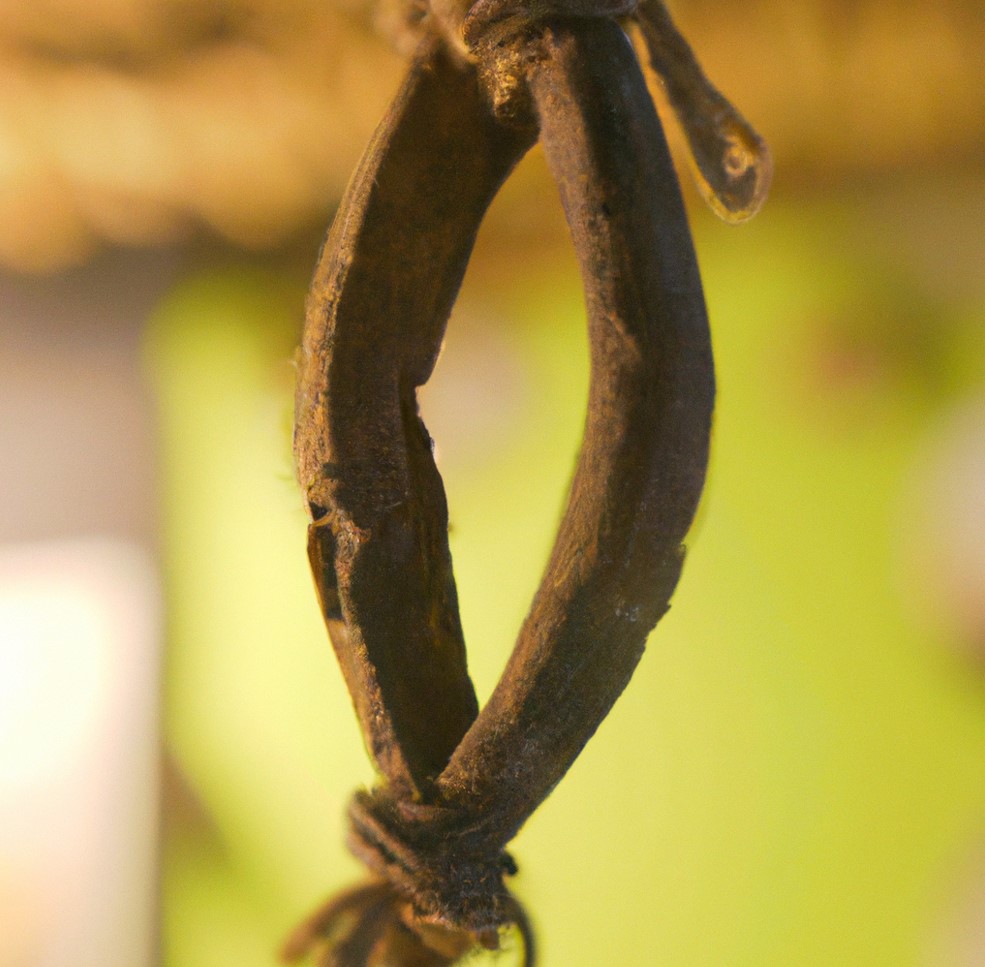
When Tautunu’s mother, Sina, learned of the incident, she suspected Fatutoa of stealing the fish-bait and decided to marry him to get it back. Even though she loved her husband and son, she felt it was crucial to retrieve the beloved fish-bait.
Sina left for Fatutoa’s village, promising to return with the fish-bait for Tautunu, and her friend Afia told her to remember that he lived in his forest.
Sina bravely married Fatutoa and found the fish-bait, escaping to her family. Fatutoa pursued her but died at the entrance to the Bay of Falealupo. The chiefs and orators of Falealupo are the custodians of this version of the story.
The legend of Tautunu’s fishing prowess and the extraordinary fish-bait spread throughout the land. Some of the people in Vailoa, Palauli, claim that another great fisherman, Laulu, lived there.
Original story printed in “Samoa ne’i Galo“
