



Maintaining good health is crucial for leading a fulfilling and active life. One aspect of individual health care involves monitoring and managing our weight to ensure overall well-being. Regularly assessing our weight can provide valuable insights into our health status and help us identify any potential concerns or areas that may require attention. By keeping a vigilant eye on our weight, we can take proactive steps to maintain a healthy lifestyle, prevent certain health conditions, and make informed decisions regarding our diet, exercise, and overall self-care.
Here’s a formula you can use to calculate your BMI, which stands for Body Mass Index, and the World Health Organization’s classification for obesity:

Understanding BMI: Unveiling the Key to Health Assessment.If you are used to using feet and inches then convert your height to meters:
1 foot = 0.3048 meters, 1 inch = .0254 meters
If the height is 5 ft 10in, then:
5 feet = 5 * 0.3048 = 1.524 meters
10 inches = 10 * 0.0254 = 0.254 meters
Therefore, the height is approximately 1.524 + 0.254 = 1.778 meters
To calculate BMI:
BMI = weight (kg) / (height (m))^2
If the given weight is 110 kg and the height of 1.778 meters, then calculate as follows:
BMI = 110/1.778 squared = 110 / 3.160484 = 34.79
So, the approximate BMI is 34.79. This falls into the obesity (Class 1) category according to the WHO BMI classification.
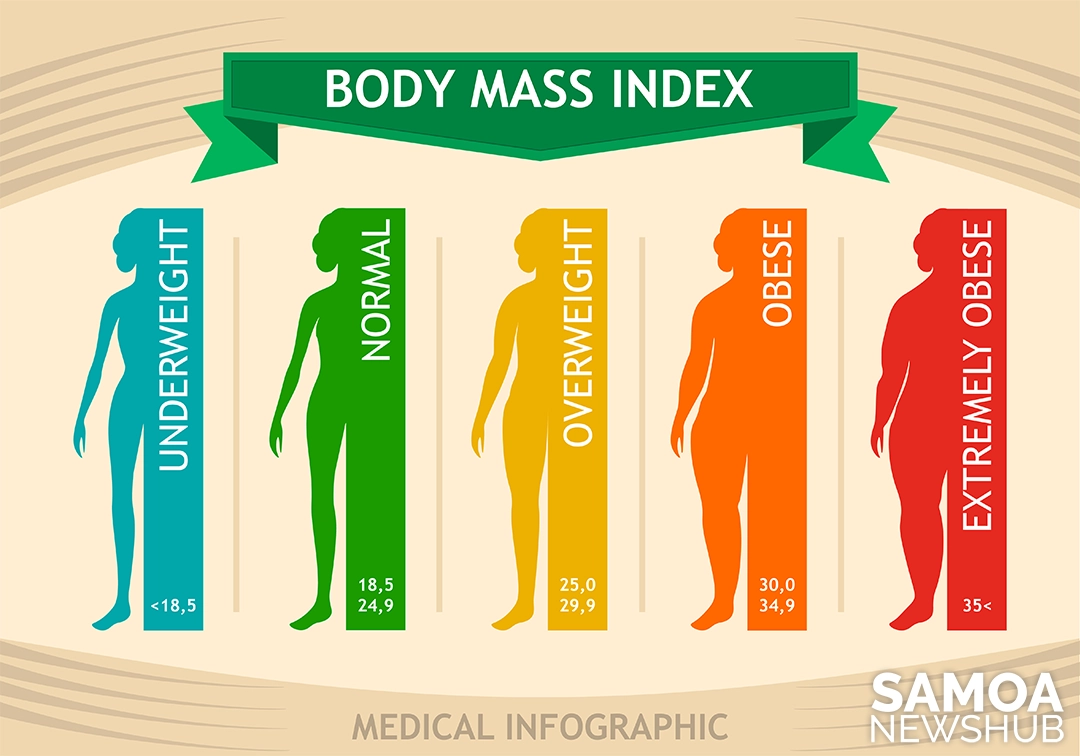
Here’s the WHO BMI classification for adults:
Underweight: BMI less than 18.5
Normal weight: BMI between 18.5 and 24.9
Overweight: BMI between 25 and 29.9
Obesity (Class 1): BMI between 30 and 34.9
Obesity (Class 2): BMI between 35 and 39.9
Severe obesity (Class 3): BMI 40 or higher
Note: BMI tool does not take into account factors such as muscle mass or distribution of body fat, which can vary among individuals. Therefore, it’s always advisable to consult with a healthcare professional for a full evaluation.