


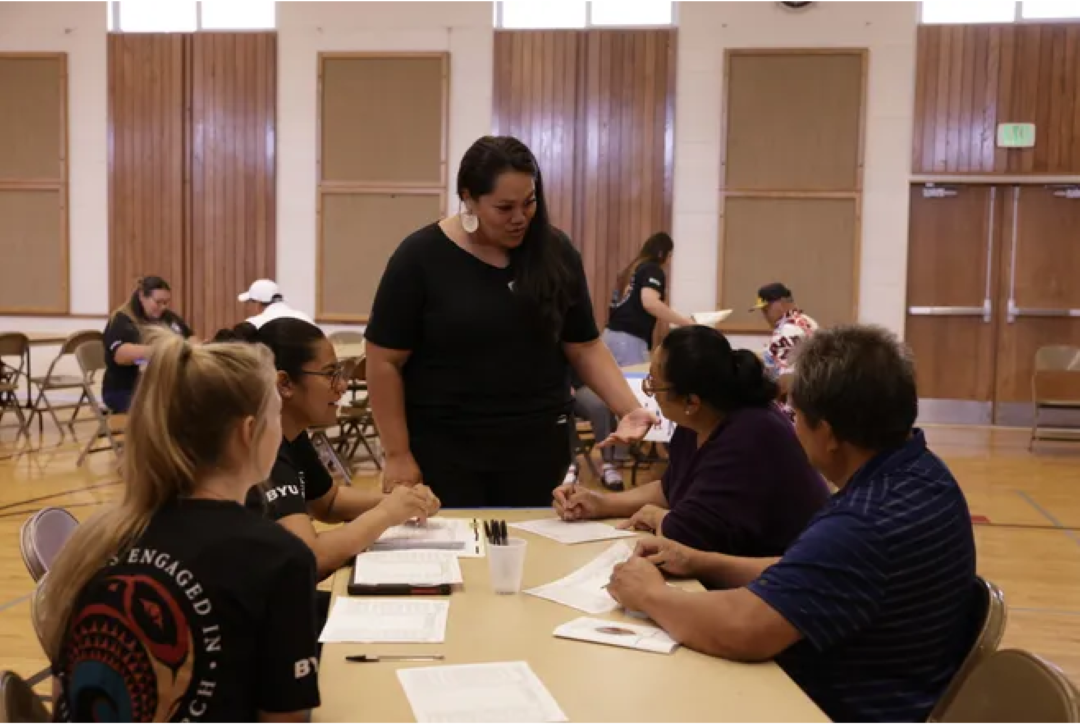

Justina Tavana has been featured in the news recently. In the past month, she was in the news as one of the two Samoans who successfully graduated with PhDs in Biology from BYU Provo. Today, she finds herself in the spotlight once again, featured in USA Today for her remarkable contributions to Alzheimer’s research.
In the USA Today article, Tavana’s impactful work in translating dementia diagnostic questionnaires into her native Samoan language is highlighted. She vividly recalls her aunts, who were unfortunately diagnosed late with dementia. Their conditions was unrecognised until it was too late to manage the symptoms effectively. This personal experience propelled Tavana to become a certified dementia practitioner and researcher, and she is determined to make a difference.
While there is no cure for Alzheimer’s and related dementias, an early diagnosis can significantly improve the quality of life for patients. Early diagnosis allows patients to receive medications that can slow down the progression of the disease and access services like speech therapy to manage symptoms.
However, there is a lack of research on Alzheimer’s and dementias in American Indian, Alaska Native, Native Hawaiian, and Pacific Islander communities. Screening tools and diagnostic methods have primarily been developed and tested on white individuals. To address this gap, Justina Tavana and other researchers are involved in the Natives Engaged in Alzheimer’s Research program, funded by the National Institute on Aging.
As part of this program, Tavana and her colleagues are translating diagnostic tools into Samoan and Tongan languages, creating culturally relevant resources, and educating communities about the disease. The program is led by Native researchers, and their main studies also involve collecting and cataloging DNA samples from Indigenous people. These samples will contribute to a repository that will help scientists better understand the genetic factors related to dementia in these groups.
Alzheimer’s geneticist John “Keoni” Kauwe, who is a Native Hawaiian and the president of BYU-Hawaii, emphasises that these populations have been vastly understudied. Discovering novel genetic factors that influence disease in Native Hawaiian, Pacific Islander, American Indian, and Alaska Native communities could provide valuable insights into the pathology of the disease and lead to new therapeutic interventions.
Dr. James Galvin, a neurologist at the University of Miami, explains that the risk factors for Alzheimer’s in Indigenous people may differ from those in other populations. Therefore, it is crucial to explore and understand the unique genetic factors at play. This knowledge will enable a more precise and personalised approach to healthcare.
One of the research studies within the program, called Puipui Malu Manatu (meaning “Protecting Memories” in Samoan), is led by Vaatausili Tofaeono, the executive director of the American Samoa Community Cancer Coalition. Tofaeono’s grandfather suffered from dementia without access to services or a proper diagnosis. His mother and her siblings also experience the disease. In addition to translating tests and collecting blood samples, Tofaeono is developing educational materials to help reduce the stigma surrounding dementia. Many individuals in these communities view memory loss as a natural part of aging, which can lead to a reluctance to seek services. Tofaeono aims to develop culturally informed services that honor and respect elders while providing necessary care.
A significant obstacle in achieving accurate dementia diagnoses is the lack of diagnostic tools that are culturally and linguistically relevant. For instance, many elders in these communities do not rely on analog clocks, which are included in certain cognitive assessments. Vaatausili Tofaeono explained that clock diagram tests are unfamiliar to their cultural practices and daily lifestyles. Consequently, individuals cannot be adequately assessed on cognitive abilities based on something they were not educated about.
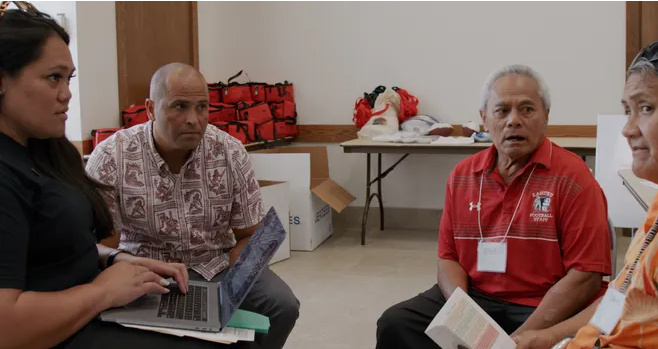
Although precise rates are obscured due to the lack of data, it is evident that medical and behavioral risk factors, such as obesity and tobacco use, disproportionately affect Native Hawaiian and Pacific Islander communities. As part of their studies, researchers are committed to educating community members and caregivers about these lifestyle factors. Collaboratively, Vaatausili Tofaeono and Justina Tavana have organised “Brain Health” fairs, which serve both to recruit participants for their studies and provide essential information about the disease. By focusing on health disparities and engaging the participation of these communities, the research aims to enhance broader research outcomes and contribute to future advancements in disease treatment and potential cures, as explained by Alzheimer’s geneticist John “Keoni” Kauwe.
Justina Tavana harbors the hope that these studies will bridge the existing gaps in knowledge and care. Through these efforts, the ultimate goal is to ensure that the elders in her community have improved access to services that were unavailable to her aunts. By addressing cultural and linguistic barriers, expanding education, and promoting community engagement, Tavana and her colleagues strive to provide a better future for individuals affected by dementia within these communities.