




APIA, Samoa, 22 July 2026 – Civil society organisations in Samoa have called for stronger partnerships, greater inclusion, improved coordination and increased investment in communities to advance inclusive and sustainable development across the country.
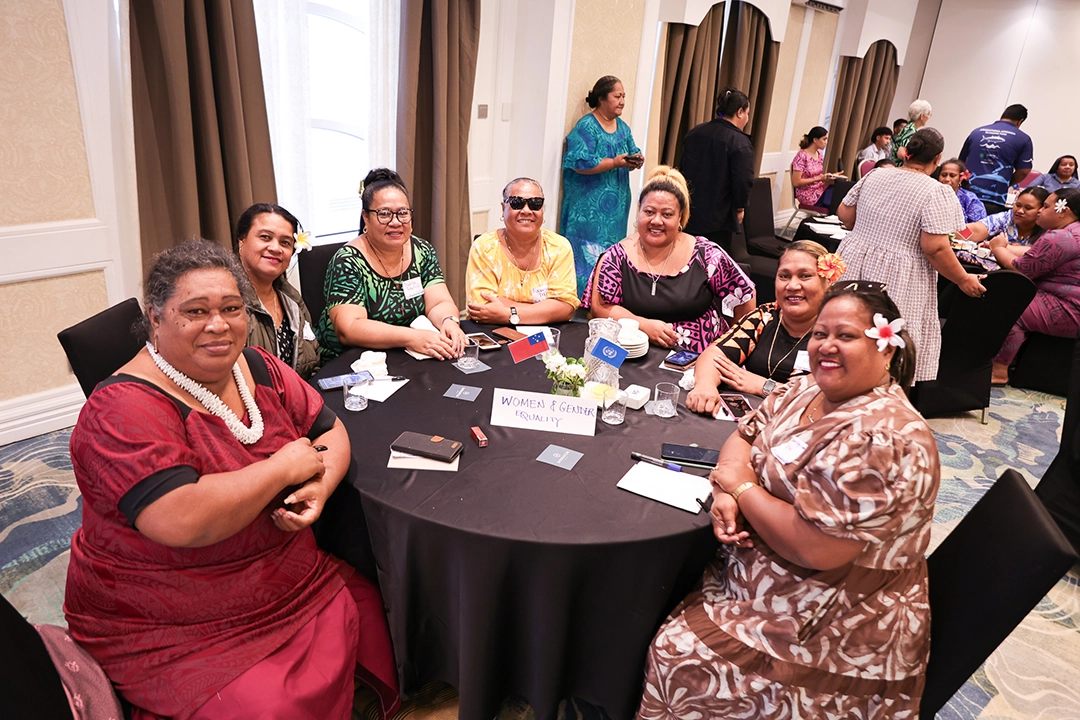
The consultation brought together representatives from civil society organisations to discuss Samoa’s development progress, challenges and priorities for the future.
Civil society organisations play an essential role in advancing the Sustainable Development Goals by working directly with communities, amplifying local voices and helping ensure that development priorities reflect the needs and aspirations of all people.
The United Nations prioritises engagement with civil society because of its unique ability to connect communities with decision-makers, advocate for vulnerable groups and provide valuable insights that support inclusive and equitable development.
“Civil society organisations are not just stakeholders in development, they are critical partners and agents of change. Their contributions help ensure that development efforts are inclusive, effective and responsive to the needs of communities,” said United Nations Resident Coordinator Karla Hershey.
Participants acknowledged several positive developments across Samoa, including increased community awareness programmes, stronger collaboration between civil society organisations and communities, disability inclusion initiatives, economic empowerment programmes and efforts to preserve and promote Samoan culture through education and community activities.
Discussions also highlighted the growing importance of women’s leadership, youth participation, climate resilience, health and wellbeing and inclusive development.



Despite this progress, participants identified limited funding and resources as a major challenge affecting health services, disaster preparedness, community programmes and civil society initiatives.
Capacity gaps were also highlighted, including limited technical expertise, project management capabilities, business development skills and access to sustainable financing opportunities.
Participants further noted the need for stronger coordination among government agencies, civil society organisations, communities, district offices and development partners.
Improved collaboration was identified as critical to reducing duplication, strengthening service delivery and ensuring resources reach those most in need.
Inequality and exclusion remain significant concerns, particularly for women, young people, persons with disabilities and other vulnerable groups.
Participants stressed the importance of ensuring these groups are not only beneficiaries of development initiatives but are also actively involved in planning, decision-making and implementation processes.
Other key concerns raised included limited employment and livelihood opportunities, shortages of medical supplies and specialists, barriers to accessing health services in remote areas, domestic violence, substance abuse, low household incomes and growing pressures on children and young people.
Participants also expressed concern about declining engagement with the Samoan language, traditions and cultural practices among younger generations.
The consultation reaffirmed the importance of investing in community resilience, strengthening institutional capacity, expanding access to services and ensuring that future development efforts are built on strong partnerships and inclusive decision-making.
Participants emphasised that civil society organisations play a vital role in connecting communities with institutions, identifying emerging needs and ensuring that development actions respond to the lived experiences of people across Samoa.
The findings from the consultation will contribute to the United Nations Common Country Analysis and help shape future UN support to Samoa.
Through its convening role, the United Nations brings together government, civil society, the private sector, development partners and communities to ensure that diverse perspectives help inform sustainable and inclusive development.
About the United Nations in Samoa
The United Nations in Samoa is led by Resident Coordinator Karla Hershey and comprises 22 resident and non-resident UN agencies under the Samoa Multi-Country Office.
The Resident Coordinator Office supports the Resident Coordinator in leading and coordinating the UN development system in Samoa, fostering strategic partnerships, policy coherence and collective action across UN agencies to maximise impact and advance national development priorities and the Sustainable Development Goals.
The UN works closely with governments, civil society, the private sector and development partners to support national priorities and the achievement of the Sustainable Development Goals, promoting sustainable, inclusive and resilient development across the region.