



The idea that children require palliative care is challenging for many, but a new programme for Pacific paediatric teams aims to support youngsters to live their best lives.
A joint venture between Waipapa Taumata Rau | University of Auckland’s School of Nursing and Te Poutoko Ora a Kiwa, Centre for Global and Pacific Health, will see Pacific clinicians take part in a multi-phase Paediatric Palliative Care programme. It will start with a two-day workshop at the University’s Grafton campus on August 13 and 14.
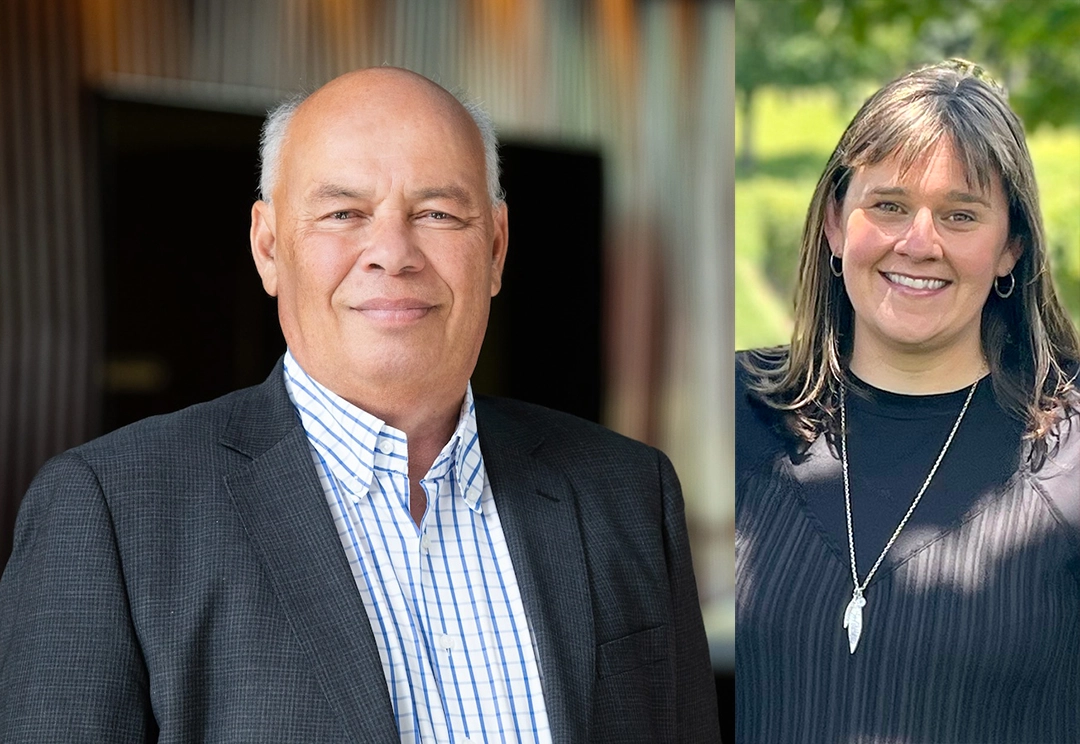
Led by Te Poutoko Ora a Kiwa director, Associate Professor Sir Collin Tukuitonga and Paediatric Palliative Care Nurse Specialist Dr. Gemma Aburn, the programme will support the development of Paediatric Palliative Care across the Pacific region.
Paediatric leaders have been invited from each of the Aotearoa New Zealand supported Pacific countries; some 20 participants will attend from Fiji, Kiribati, Sāmoa, Tonga, Tuvalu, and Vanuatu.
“Quality palliative and end-of-life care is essential for children and their families. It is important to support them and their caregivers at this difficult time,” says Sir Collin.
Dr. Aburn says children who are very sick face uncertainty every day of the week, along with their families supporting them. She stressed that every child with a serious illness should have good access to paediatric palliative care, and the programme is a step in the right direction.
“It optimises quality of life, comfort, and supports them to reach their full potential for however long that might be.
“They deserve to be helped, to have the community walk alongside them. The programme is looking at how to support health professionals that walk alongside them.”
Providing support for children who are dying means taking steps such as evaluating access to essential medicines and advocating for the World Health Organisation’s essential medicines to be available in Pacific nations.
“The learning will have benefits for children. How can we make dying better or living better? The biggest part is about living.”
Dr. Aburn says many children from the Pacific who received care in New Zealand often benefited from family and community wrap-around support when they returned to their home country.
“We send a lot of children back to the Pacific. Some remain in contact; you really learn what the differences are. Whānau provide a more wrap-around support from a spiritual, whānau perspective. How do we take that and learn from that in New Zealand in terms of knowledge exchange?”
Working across nations and different cultures emphasizes building relationships from the start.
“This means we are starting at the beginning; we’re building relationships. How to support clinicians to support children and young people who are dying now?”
The programme will focus on supporting knowledge and skill development, preparing clinicians to lead the development of Paediatric Palliative Care in their home countries, engaging in conversation about how to work together, and mentoring and supporting the development of Paediatric Palliative Care.
The teaching faculty will include Dr. Aburn, and colleagues Dr. Ross Drake and Dr. Anthony Herbert (Queensland Children’s Hospital), Dr. Stephen Laughton and Dr. Mandy de Silva (Starship Child Health), Sina Kami (Founder & Director of WOWS Kids Fiji), and retired paediatric oncologist who has led the development of Paediatric Oncology services in the Pacific for many years, Dr. Jane Skeen.

Dr. Gemma Aburn: [email protected] | Sir Collin Tukuitonga: [email protected]